REINAS
This project was supported by the Deloitte Photo Grant and will be exhibited in Triennale Museum in Milan until January 25, 2026.

It was often said during the 80’s that Venezuela was known for "producing" oil and beautiful women. To this day, the country holds two world records: of international beauty crowns, and of the largest proven oil reserve in the world. In the words of anthropologist Marcia Ochoa, “the story of beauty in Venezuela is like the story of petroleum: by geographic coincidence, it appears in the land that the country occupies: a gift given to Venezuela”.
As a 90’s girl from Caracas, the words from the Miss Venezuela anthem are a direct link to my childhood: “On a night as beautiful as this, any of us could win”. Beauty could open doors, just as oil could open the world.
Both narratives, intertwined, created a phantasy of never-ending possibilities.

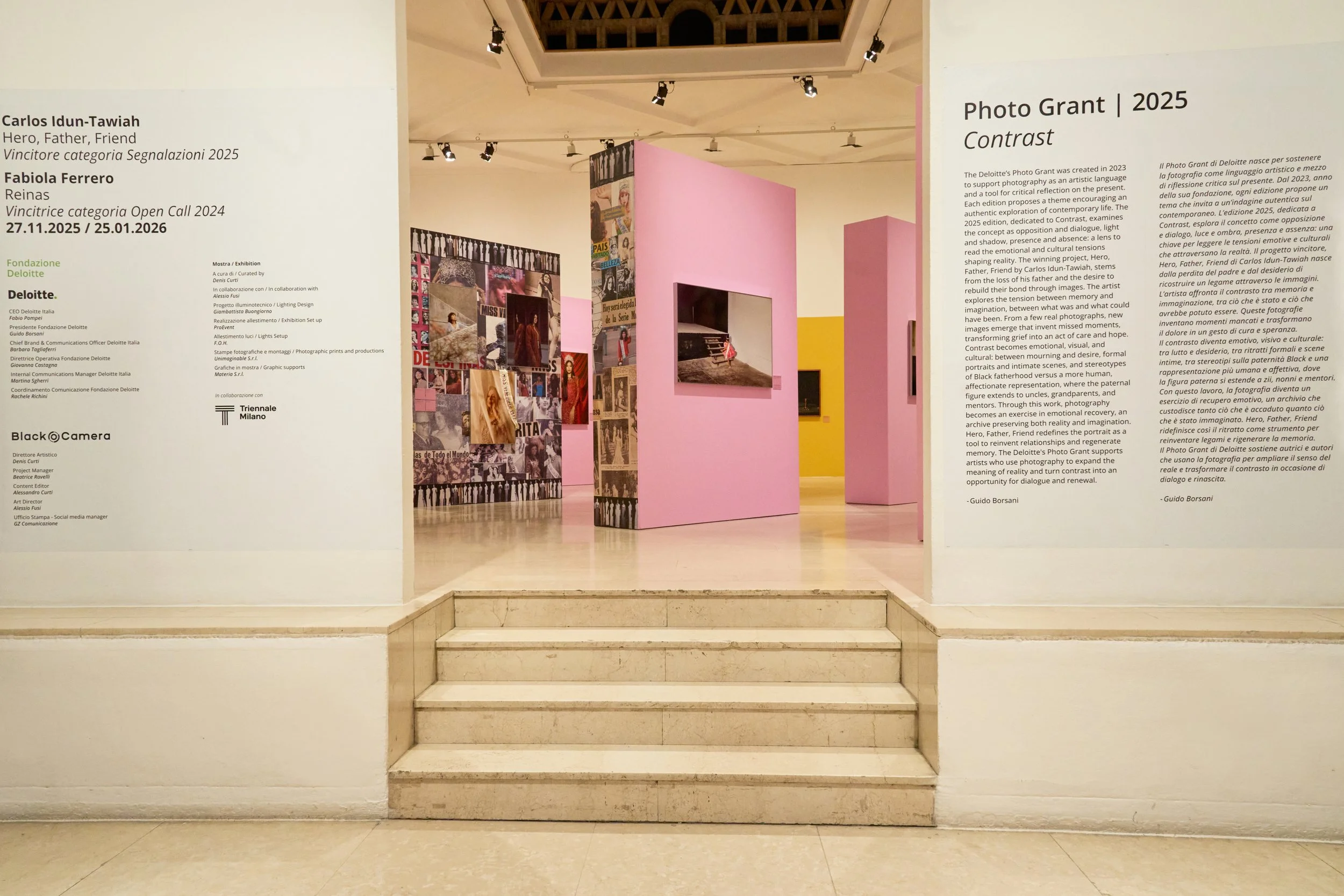
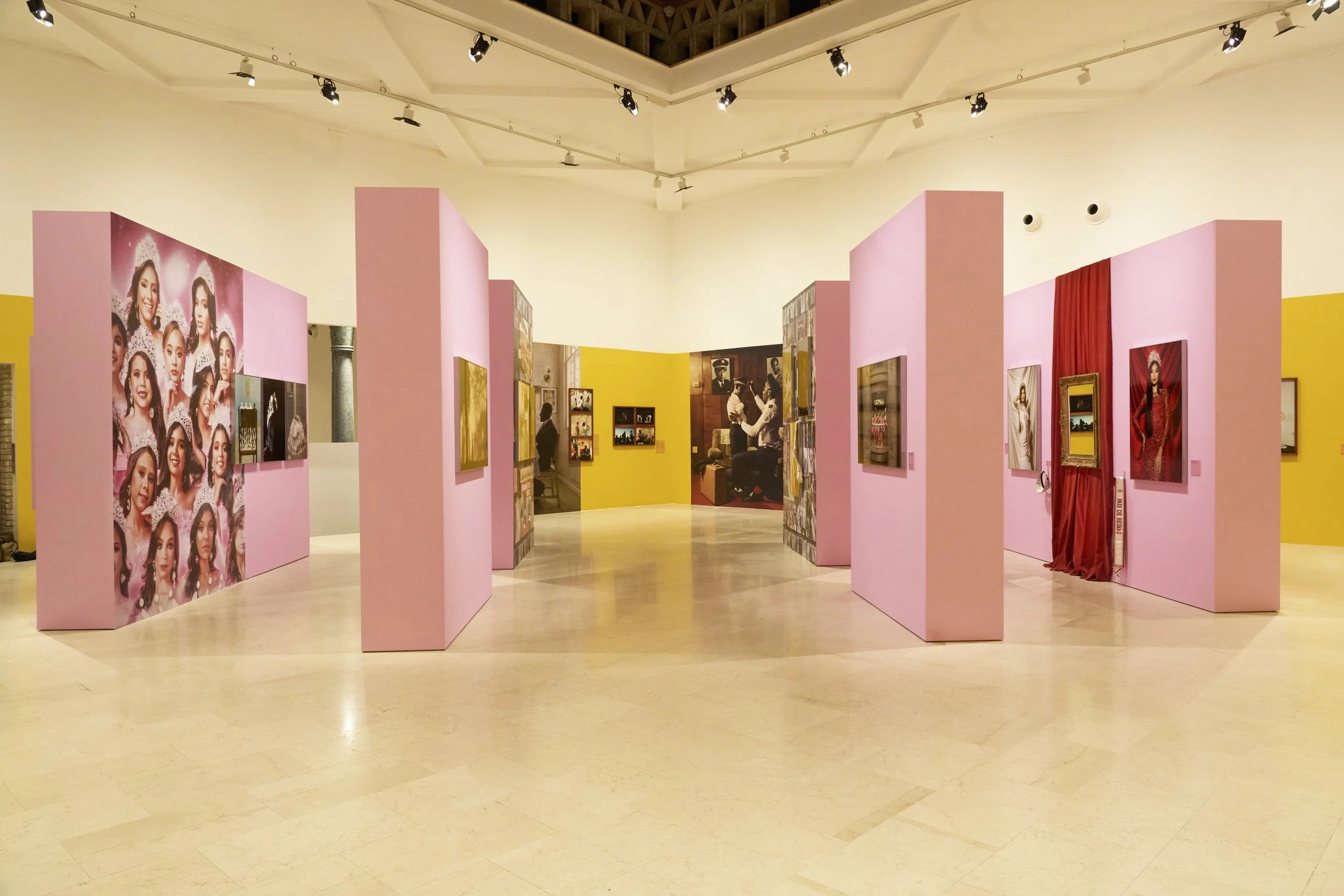
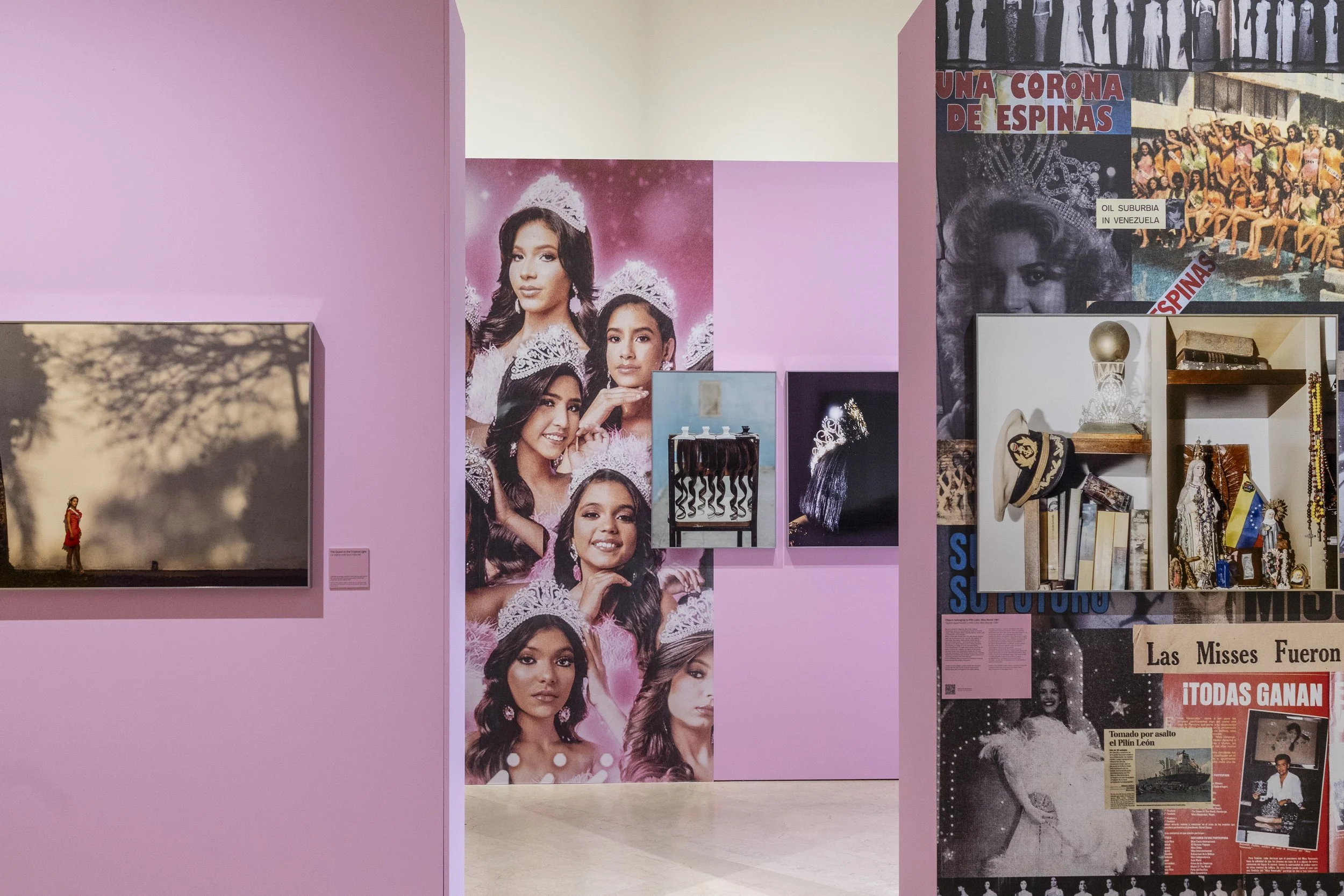
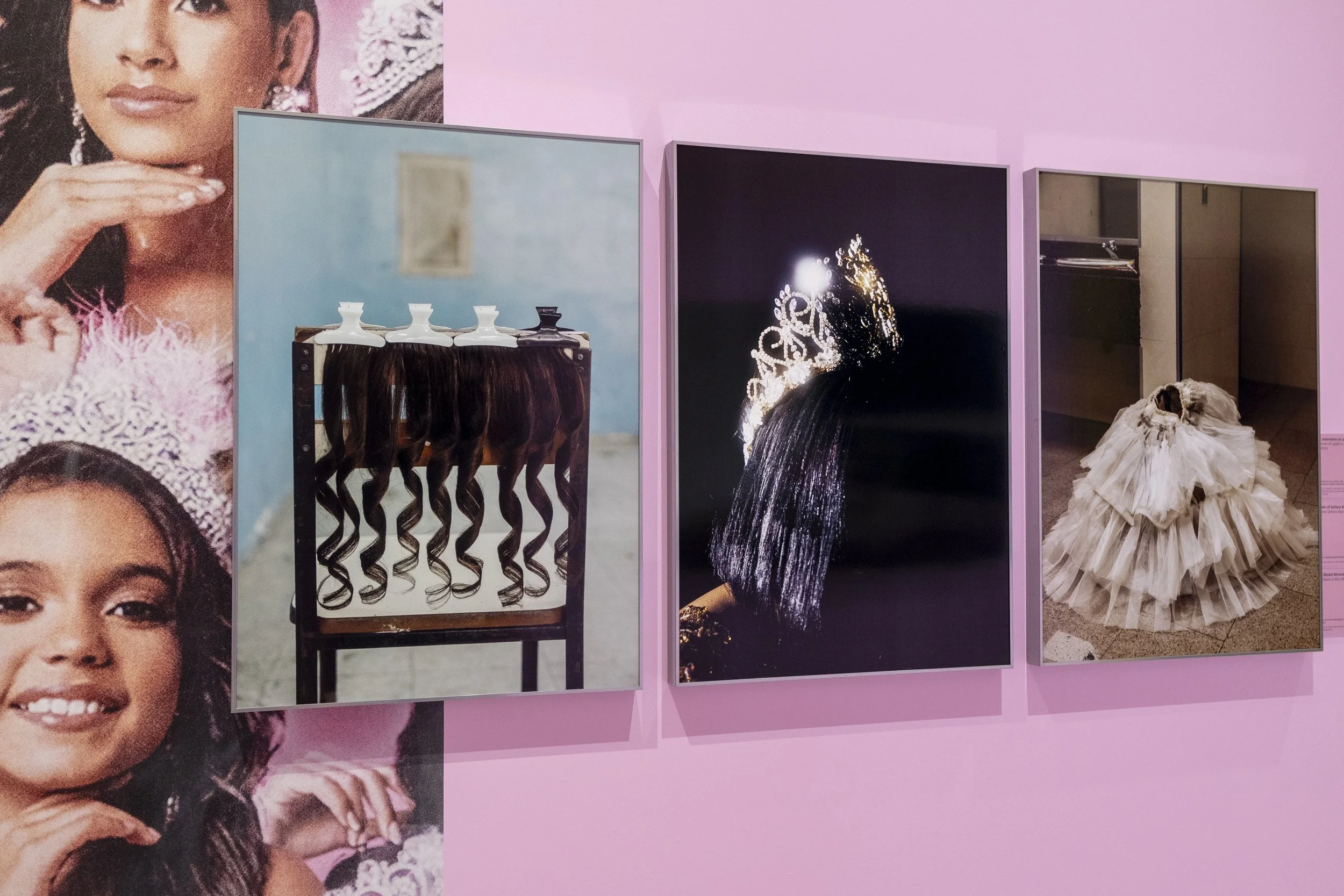
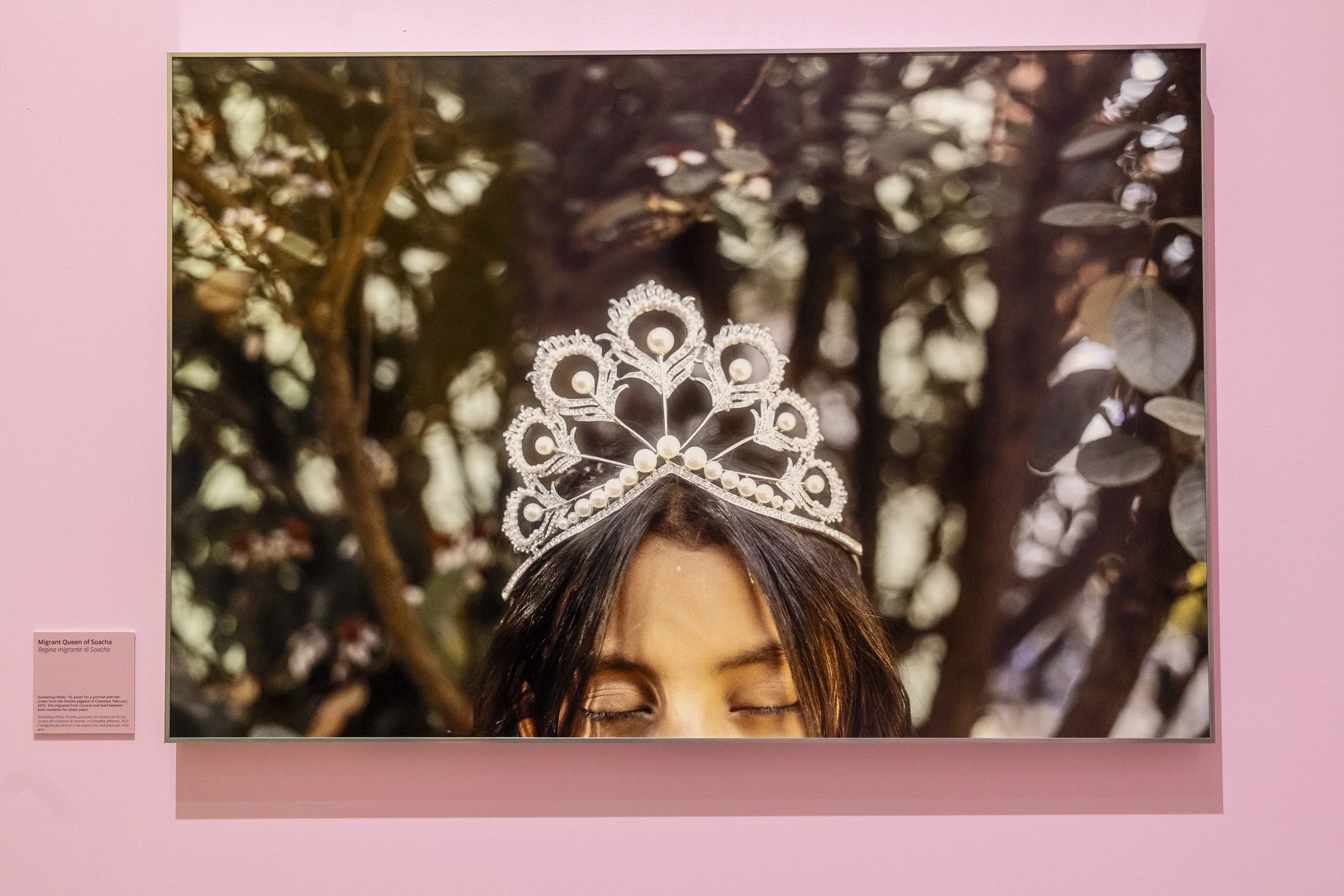
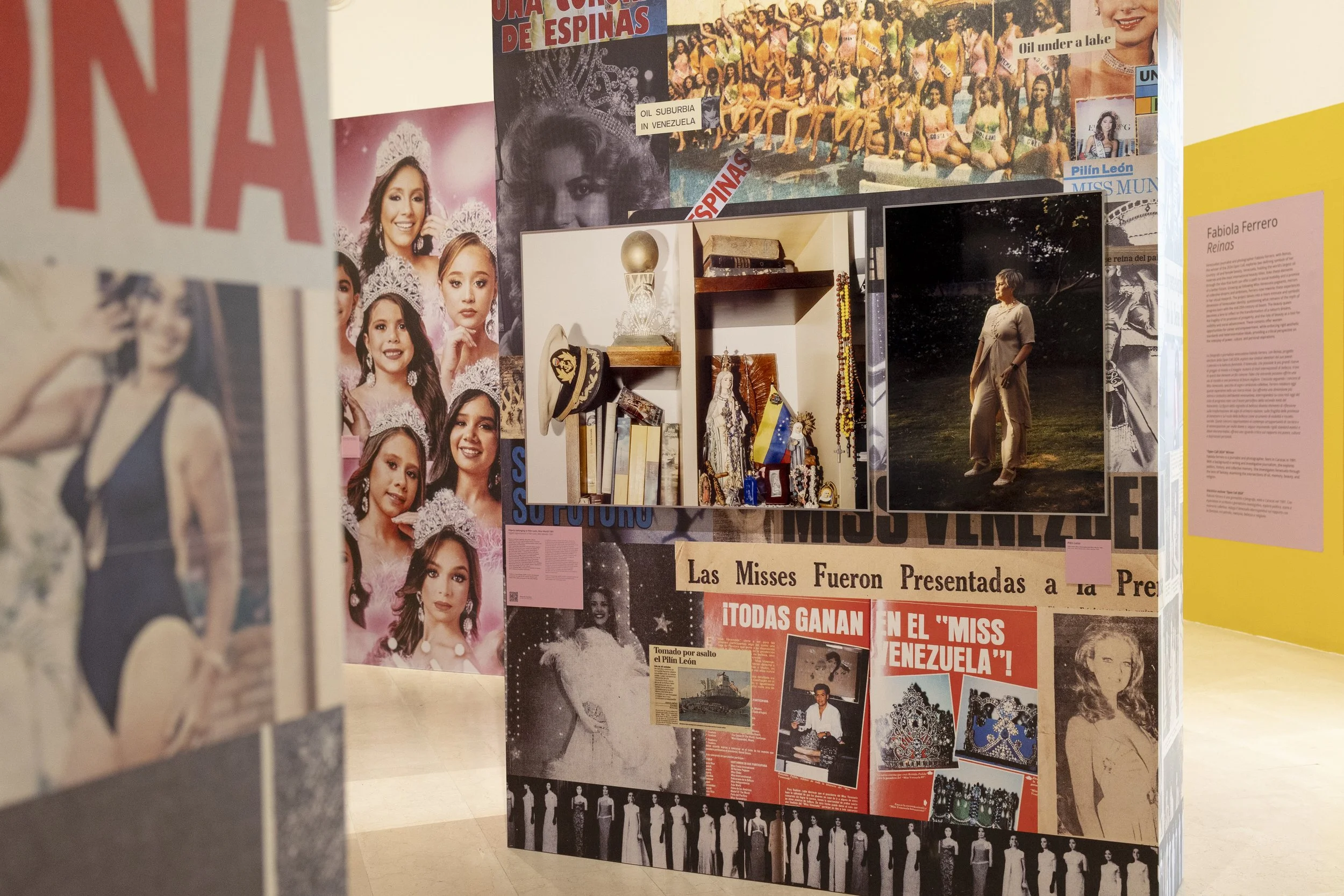
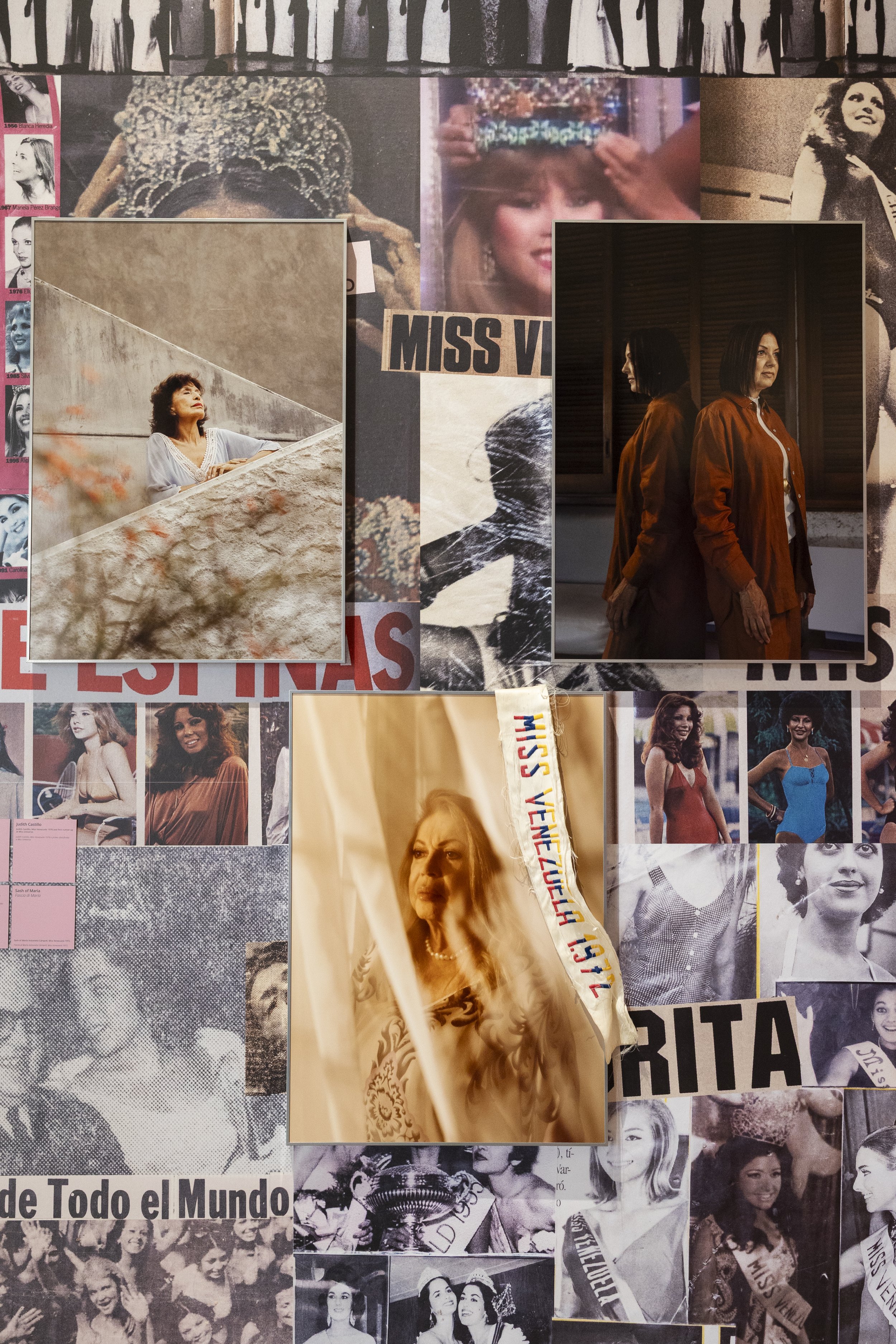
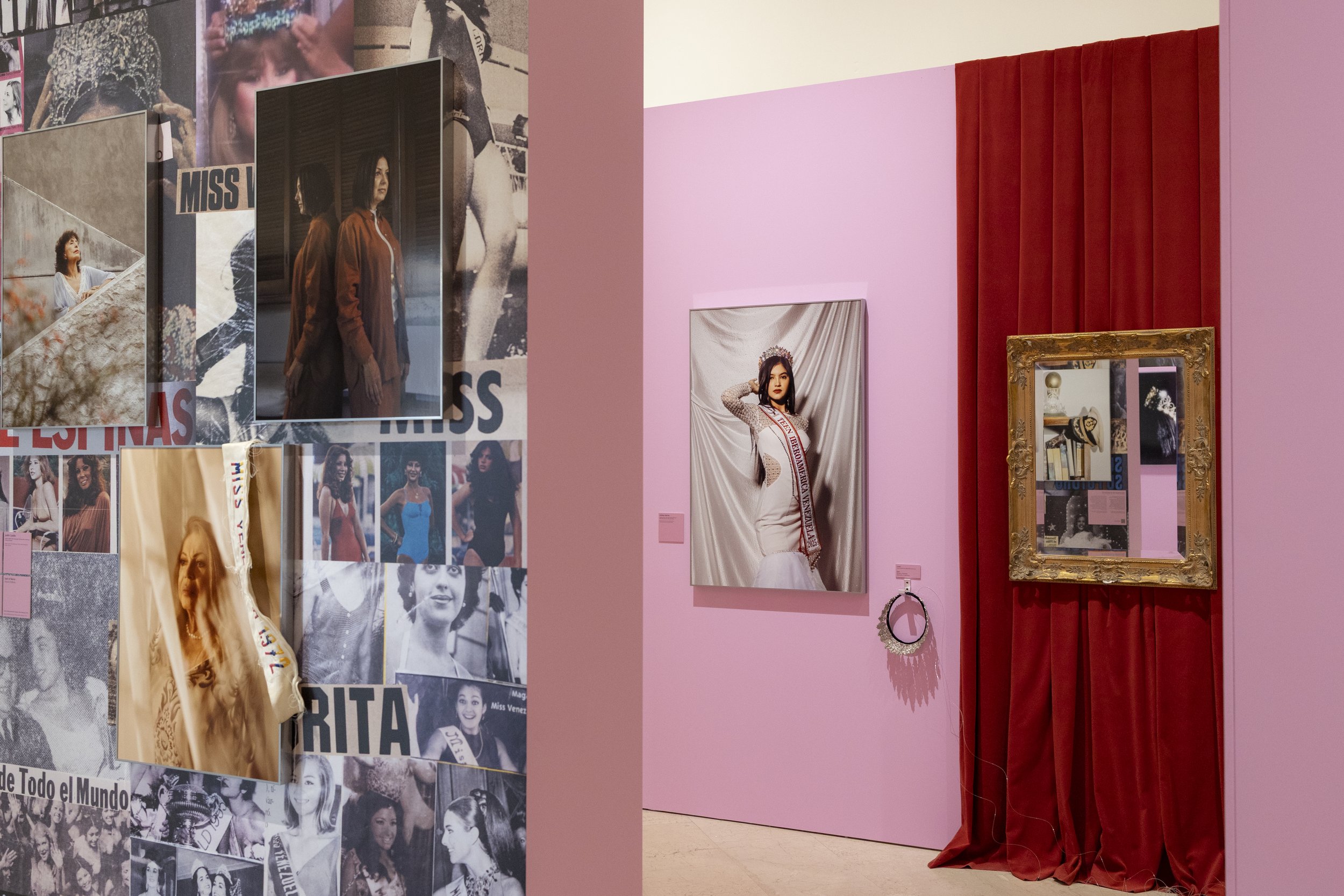
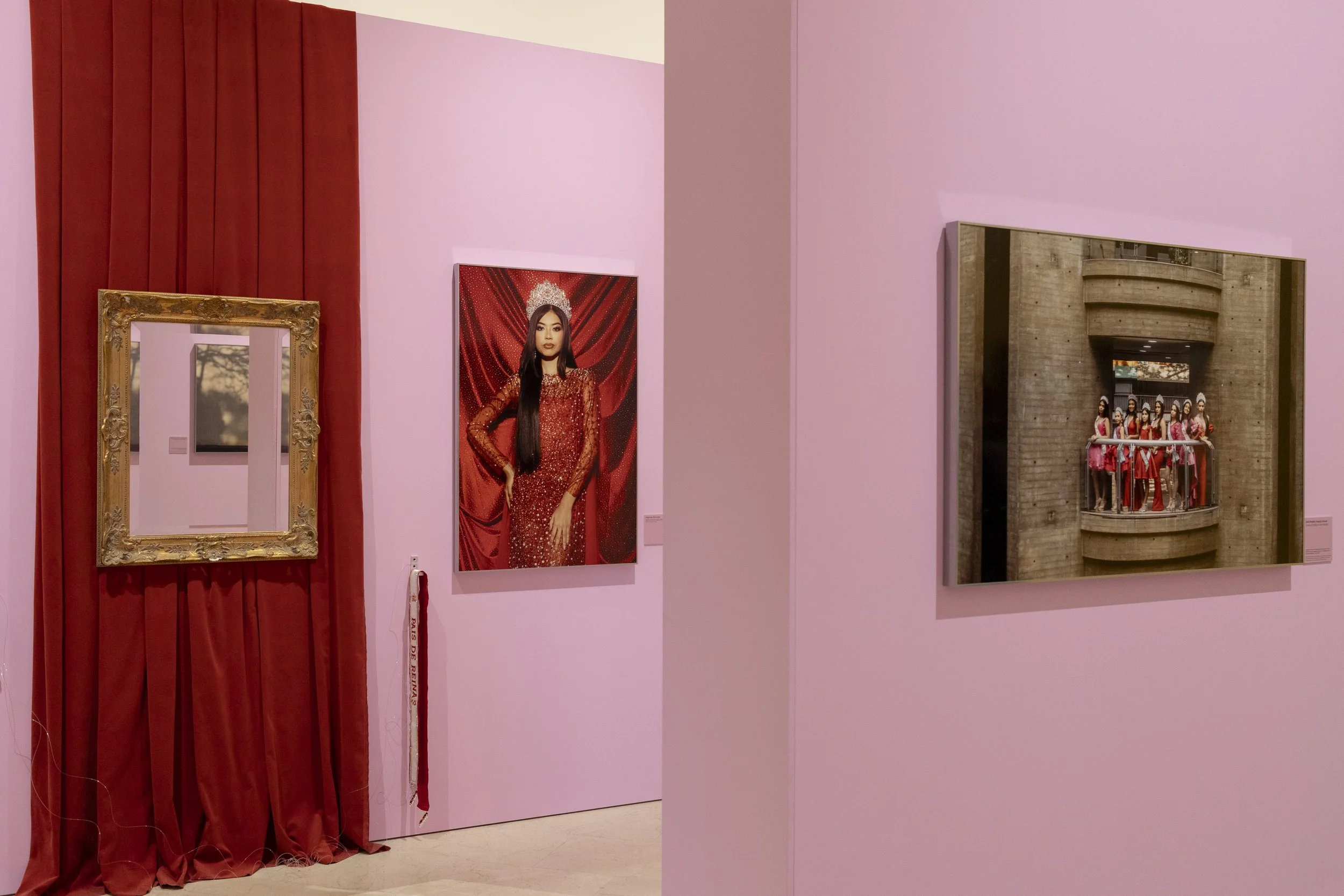
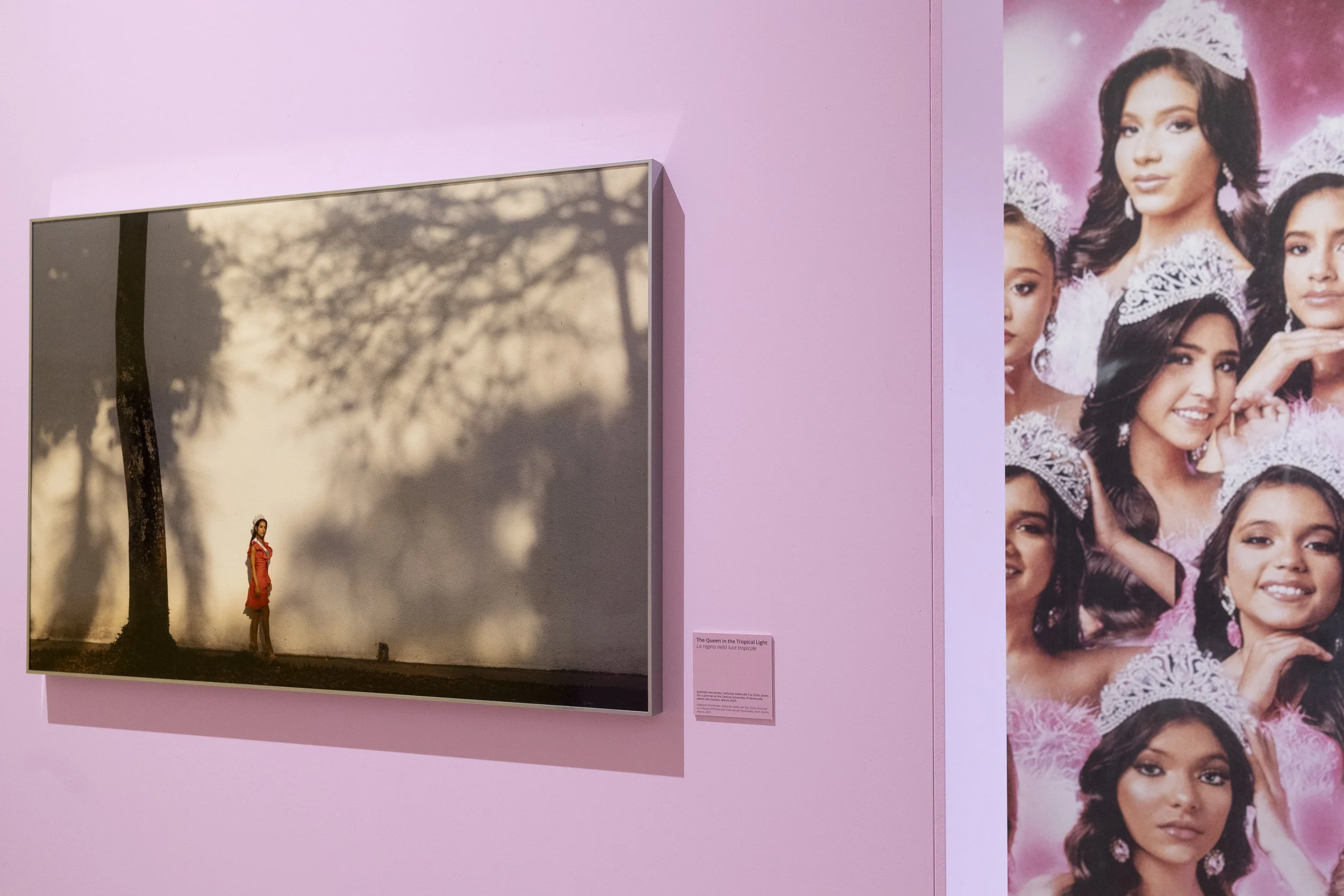
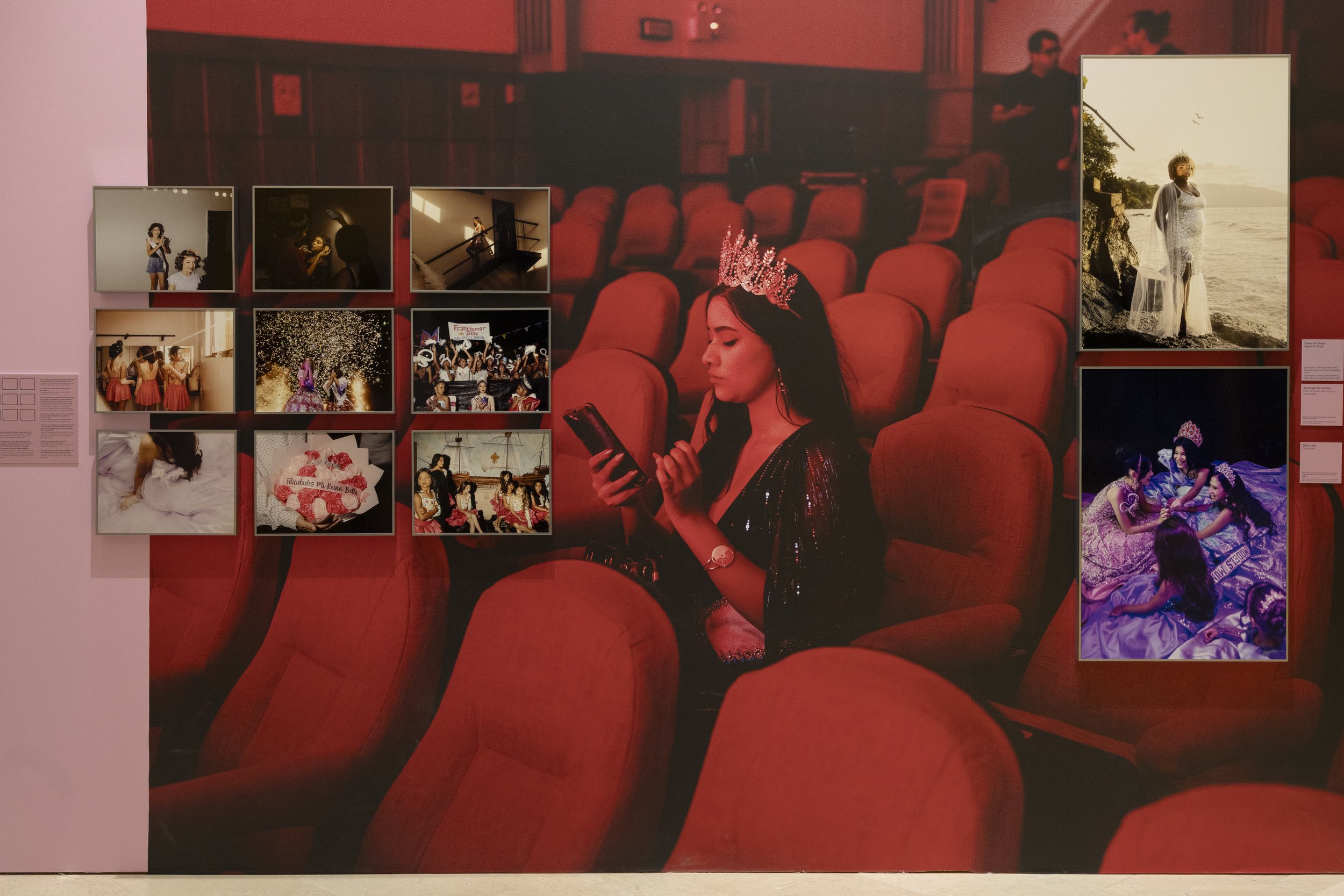
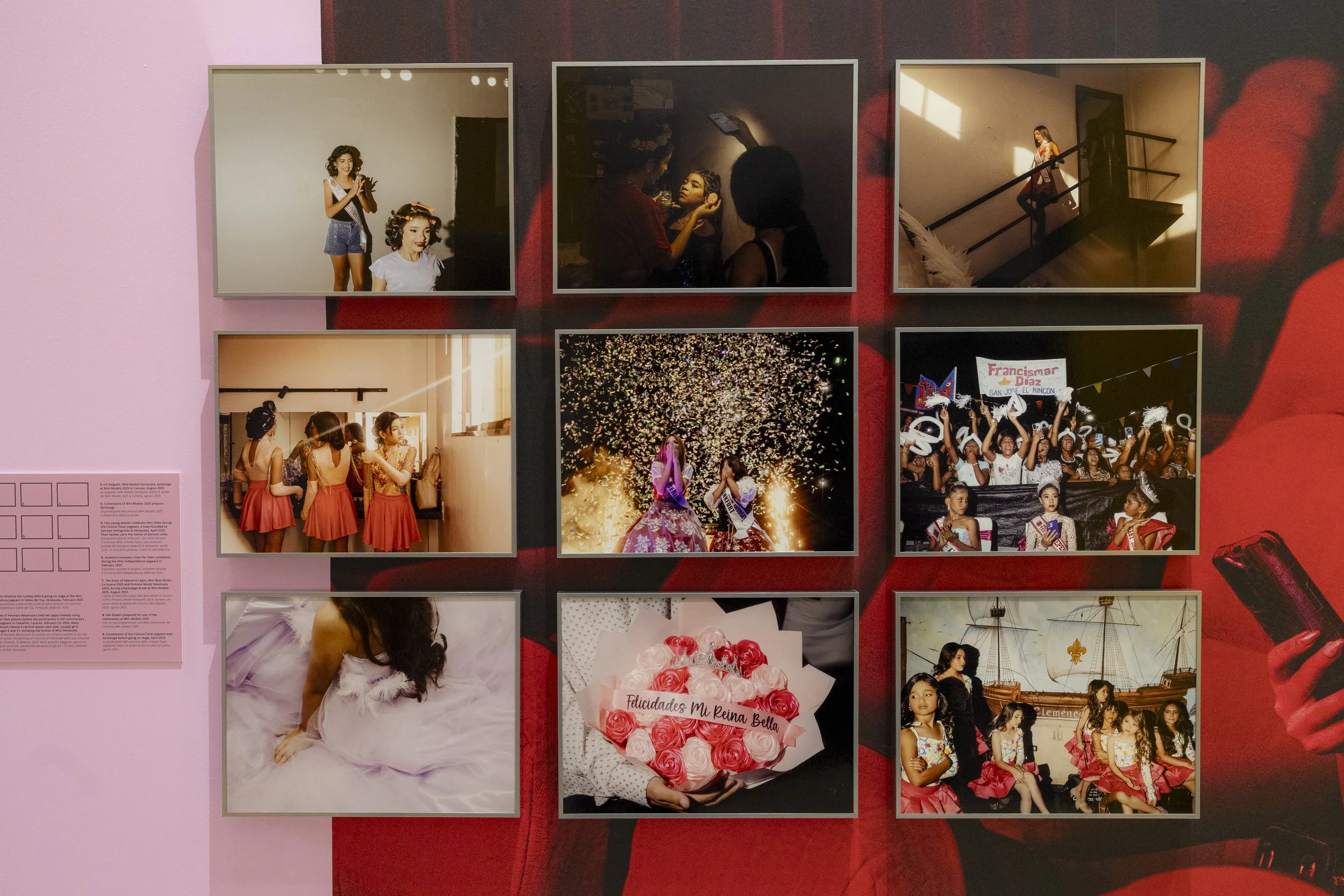
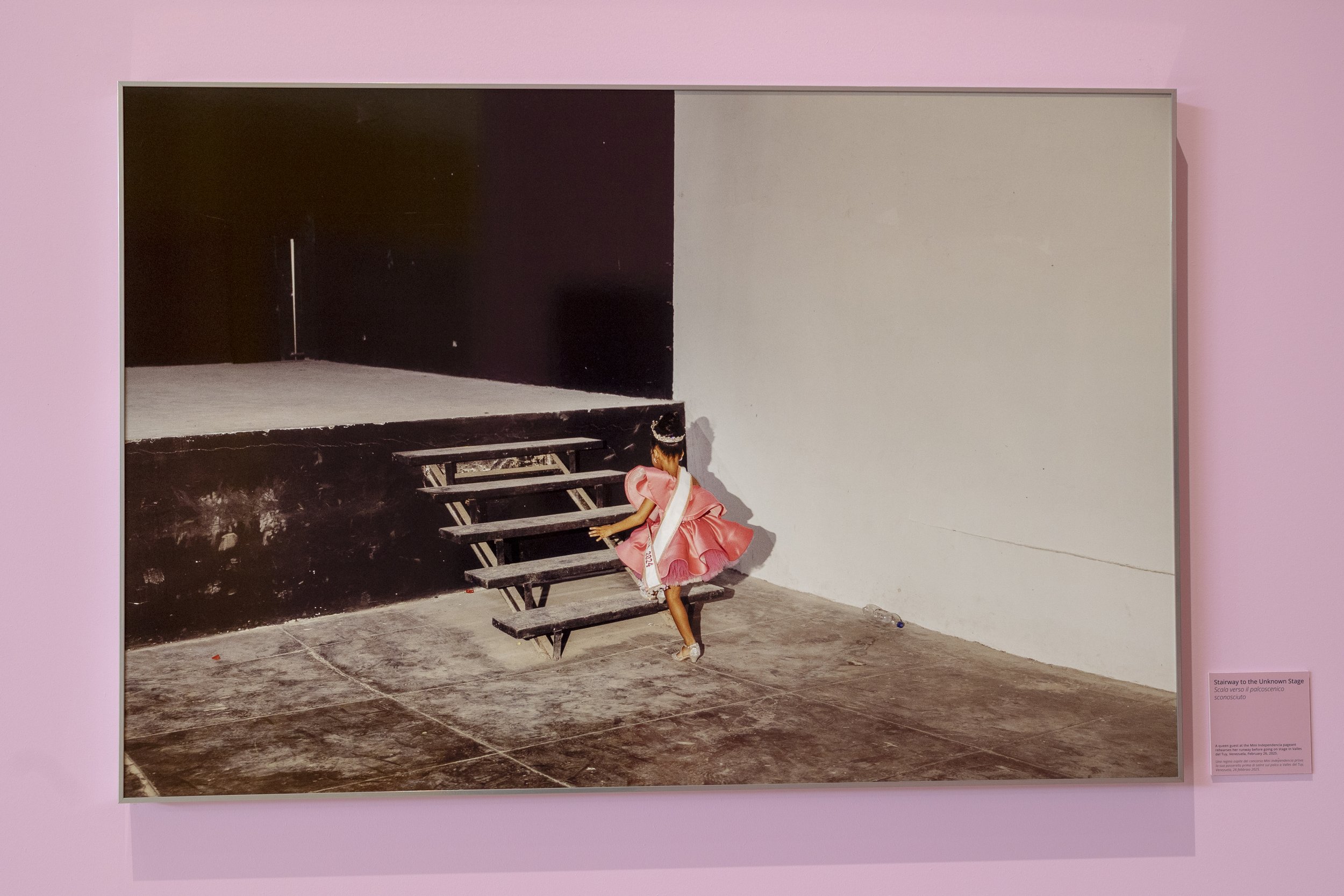
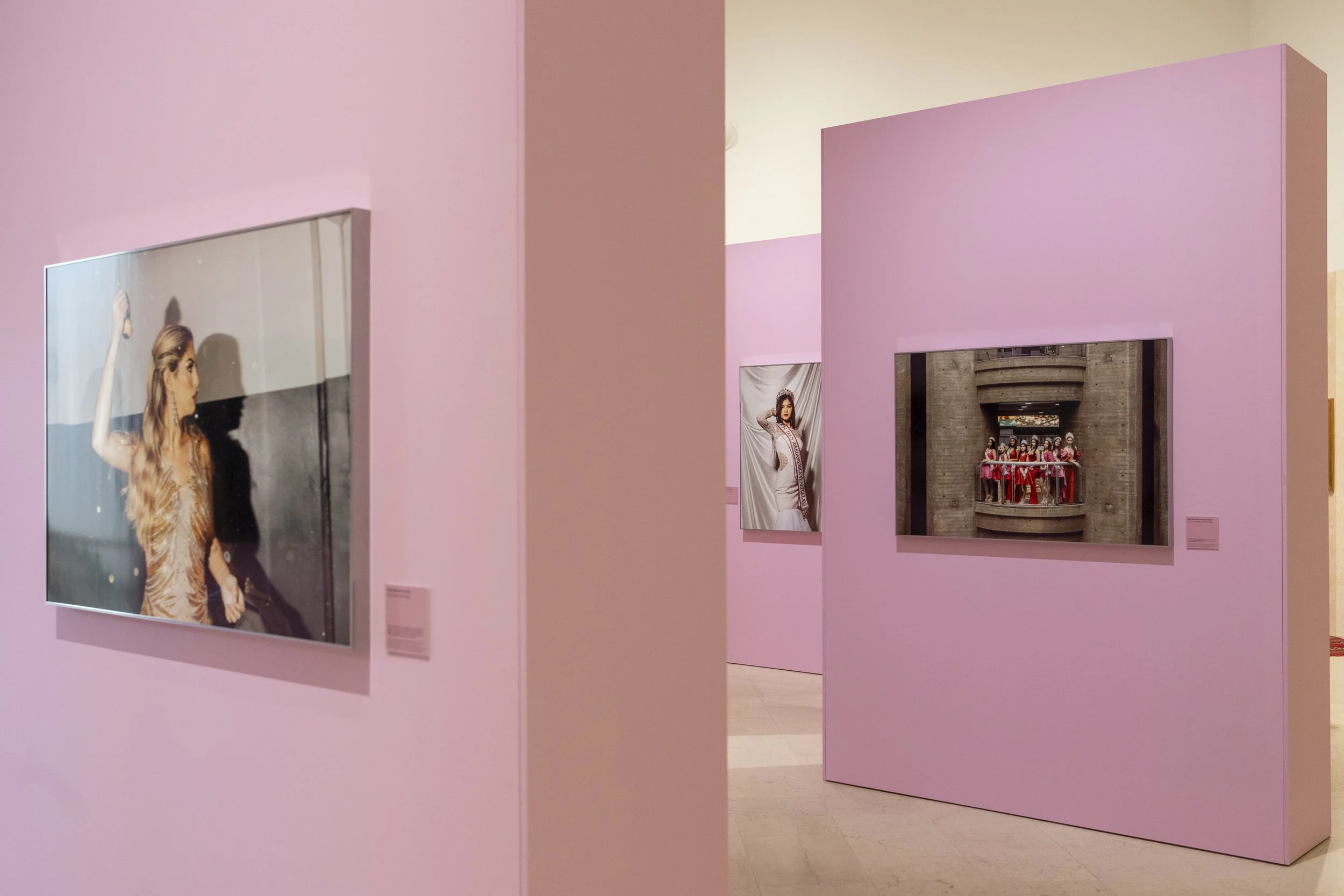
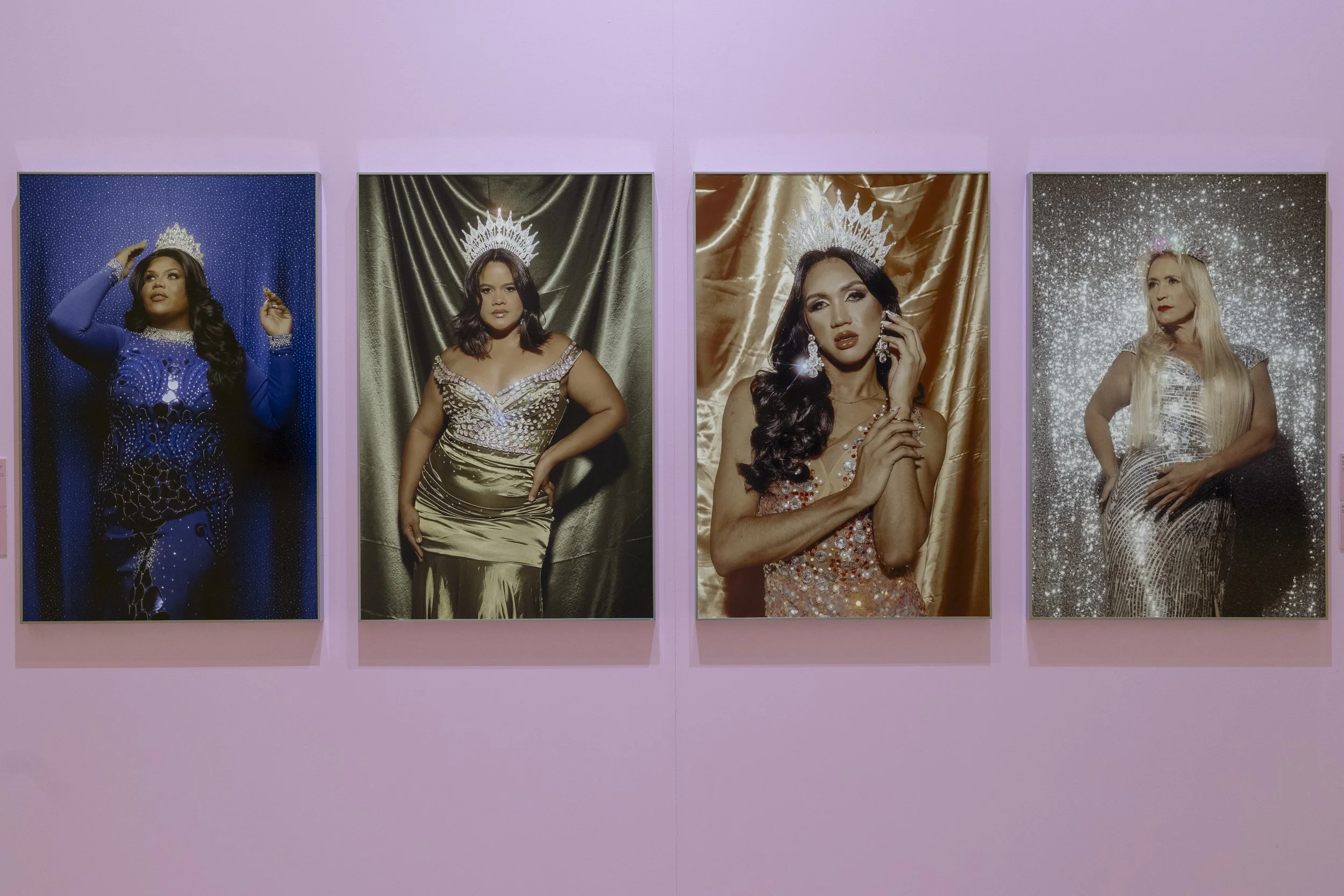
Beauty is political. Pageants, like other cultural institutions, serve as a performative mirror of societal values. They’re stages where national desires, myths, and contradictions are embodied.
When I asked Miss World Pilín León why beauty queens held such prominence in our country, she replied: “In Venezuela, the ruling military power needs figures who hold public power — and we queens have that.” Beauty, in this sense, functions as a cultural weapon, constructing an image of charm and desirability.
From dictatorships to fragile democracies, from the oil boom to political collapse, the figure of the queen has been woven into Venezuela’s public life. As Latin American researcher Chloe Rutter Jensen notes: “Soldiers defend the homeland with strength, queens represent it and bring triumphs with their beauty.”
In the following video, a recount of moments in history where beauty and politics intertwine.
Thanks to Tony Hidalgo, Judith Castillo and Giovanni Linares for the help on the archival research and Andrés Pérez @le_veneque for the video editing.